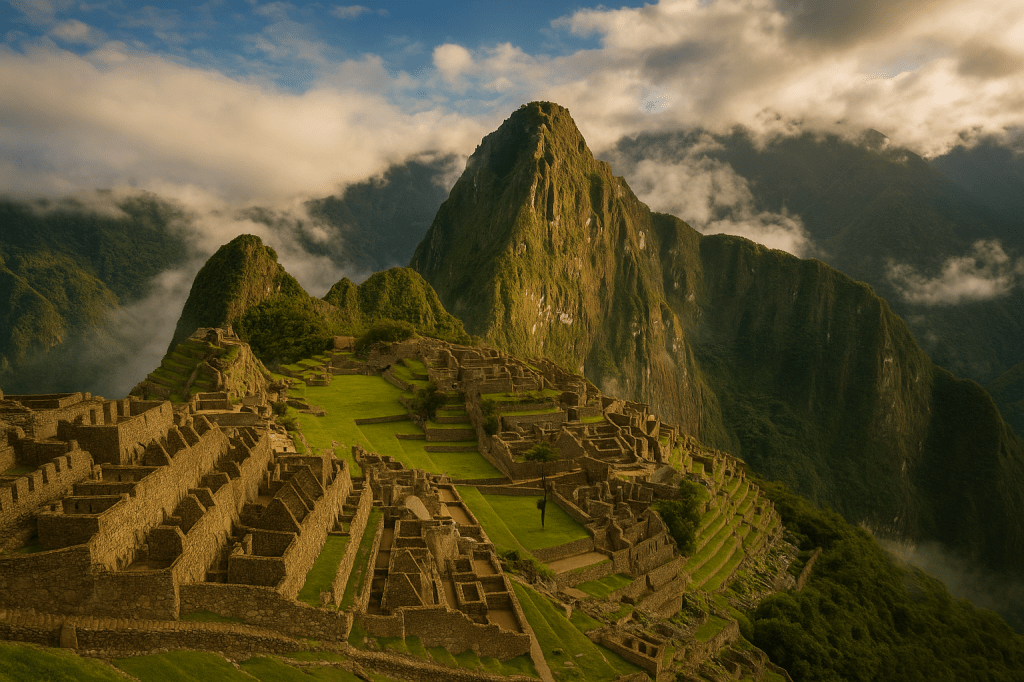
For many travelers, visiting Machu Picchu is a bucket-list experience — a spiritual journey through the Andes that reveals the brilliance of the Inca civilization. But timing your visit can make all the difference between a crowded tourist site and a peaceful, once-in-a-lifetime adventure.
If you’re looking for a time when the sacred city regains its calm, when the green mountains begin to glow again, and when the trails feel like they belong only to you — November might be your perfect window.
This month marks a gentle transition between Peru’s dry season and rainy season, bringing milder temperatures, renewed color, and fewer crowds. It’s an overlooked yet exceptional time to explore one of the world’s most extraordinary archaeological treasures.
The Weather: A Bridge Between Seasons
November in Machu Picchu falls just as the rainy season begins, but the showers are typically light and refreshing rather than constant downpours. Most mornings dawn bright and clear, with misty clouds rolling through the valleys by afternoon.
- Daytime highs: 68–72°F (20–22°C)
- Nighttime lows: 45–50°F (7–10°C)
- Rain: Scattered, mostly brief afternoon or evening showers
These conditions create a dreamlike landscape — verdant terraces shimmering under shifting clouds, and mountain peaks softened by mist. Photographers, in particular, treasure this season for the atmospheric beauty it adds to the ruins.
The early rains also breathe life back into the Sacred Valley. By mid-November, the dry, dusty slopes of October begin turning green again, and the air feels cleaner, cooler, and alive with the scent of wet earth.
Crowds and Costs: The Calm After the Storm
After the surge of visitors during Peru’s dry months (June through August), November feels noticeably peaceful. The main travel crowds have gone home, but the full wet season has yet to arrive — creating a sweet spot for those who value space and quiet.
You’ll find:
- Fewer tourists on the trails and at the citadel itself
- Lower hotel rates in Cusco, Ollantaytambo, and Aguas Calientes
- Better train availability and pricing from PeruRail and IncaRail
- Easier access to Inca Trail permits and alternative treks
It’s a great time to linger longer — to watch the sunrise from the Intihuatana without a throng of selfie sticks, or to pause along the terraces and simply listen to the river echoing through the valley.
Hiking and Access: Trails Still Open, Adventures Still Waiting
While November brings a bit of rain, most of the major trekking routes remain open and in good condition.
- The Inca Trail: Still fully accessible and especially lush after the first rains. The stone steps can be slick, so sturdy footwear and hiking poles are key.
- Salkantay Trek: A high-altitude alternative that mixes glaciers, jungles, and cloud forests — expect cooler nights and dramatic skies.
- Lares and Inca Jungle Routes: Less crowded and equally scenic, both offer great November conditions with just a touch of rain.
- Train Travel: For those who prefer comfort over hiking, the trains from Cusco or Ollantaytambo to Aguas Calientes offer a scenic, relaxing ride through the Sacred Valley, with fewer passengers this time of year.
Because the full rainy season hasn’t yet set in, landslides are rare and trails remain manageable. With a little preparation, November strikes the perfect balance between accessibility and adventure.
Find The Perfect Machu Picchu Tour
Experiencing Machu Picchu in November
Stepping into Machu Picchu this time of year feels almost meditative. The lush green terraces are beginning to flourish, the air is crisp, and the clouds drift in and out, sometimes revealing the entire citadel in breathtaking bursts of sunlight.
You can take your time wandering through ancient temples — the Temple of the Condor, Temple of the Sun, and Intihuatana Stone — without feeling rushed. The relative quiet lets you imagine what it might have been like centuries ago, when only Inca priests and pilgrims walked these same paths.
Nearby, the Sacred Valley and surrounding villages like Pisac, Urubamba, and Ollantaytambo offer vibrant local markets and a glimpse into modern Andean life. Many villages host small festivals in November, celebrating the early rains and the planting season — a beautiful complement to your Machu Picchu visit.
What to Pack for a November Trip
November weather in the Andes can shift quickly, so versatility is key.
Pack for both sun and showers:
- Lightweight rain jacket or poncho
- Waterproof hiking boots with good traction
- Quick-dry clothing and extra socks
- Sun protection (hat, sunglasses, SPF) — UV rays are strong even when cloudy
- Insect repellent, especially for jungle routes
- Dry bags or camera covers to protect your gear from mist and rain
Layers are essential: cool mornings, warm afternoons, and chilly nights are all part of the experience.
Traveler Tips for a Smooth Journey
- Book early morning tickets to Machu Picchu for the best light and thinnest crowds.
- Stay overnight in Aguas Calientes so you can start your ascent before day-trippers arrive.
- Keep your itinerary flexible — a sudden rain shower can delay trains or treks, but it’s usually short-lived.
- After exploring the ruins, soak in the Aguas Calientes hot springs — the perfect end to a cool November day.
If you have time, spend an extra day in Cusco to adjust to the altitude and explore its Inca and colonial heritage before heading to the Sacred Valley.
Why November Might Be the Perfect Month
Machu Picchu is breathtaking year-round, but November offers something rare: tranquility.
You’ll experience:
✅ Comfortable, mild weather
✅ Lower prices and more availability
✅ A deeper, more personal connection with the site
✅ The first emerald hues of the green season
Yes, you’ll need to embrace a bit of rain — but that’s part of the magic. The mist that curls around Huayna Picchu, the sudden bursts of sunlight, and the quiet of the terraces create an atmosphere that feels truly sacred.
For many travelers, November is Machu Picchu at its most authentic — not a tourist destination, but a living monument breathing with the rhythm of the Andes.
 The Panama Travel Company
Leave a comment